Interior Painting in the Winter Months: Myths vs Reality
Can you paint indoors during a Toronto winter? Mostly yes — interior work happens in a heated, controlled space. But cold walls, slow drying, and older plaster homes hide a few traps worth knowing before paint day.
July 13, 2026 · 6 min read
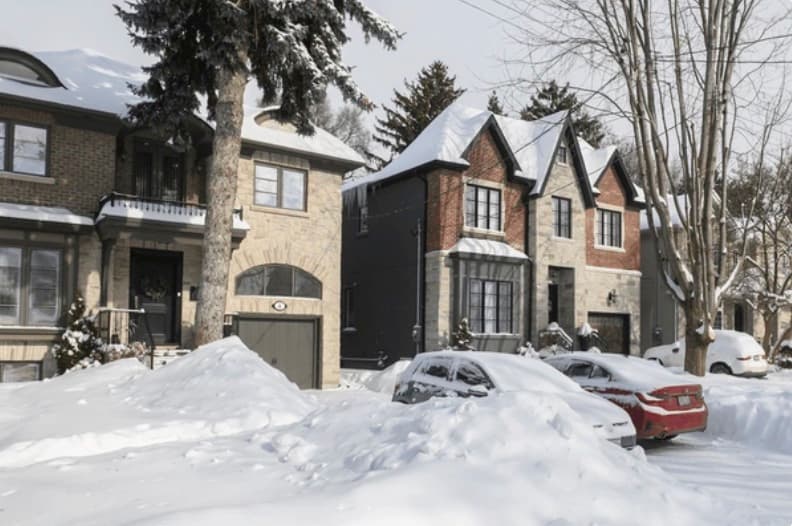
There’s a common myth that you can’t paint your house during the winter in Canada. Granted this is mostly true of exterior painting. Exterior latex paint generally needs to be applied in temperatures of ~10°C+, with no precipitation. Interior painting generally happens in a heated, controlled environment so the winter months are a great time to take on a redecorating project. Finding a high quality crew can be easier, and you don’t have to worry about things like bugs entering open windows.
That said, there are things to watch out for. One story comes to mind from an older home in Etobicoke that was painted a few years ago. The walls were plaster and were not insulated in the interior walls. It turns out cold air was circulating insidethe walls. On the second finish coat, the paint started “running” down the walls, leaving unsightly sag lines due to the excess condensation in the room caused by the cold air. It took the team quite some time to sand down the sags and properly apply the finish coat, ensuring the home owner was happy with the end result. Below are some things to keep in mind, whether you take on your winter painting project yourself, or hire an experienced team to manage things.
The Chemistry of It
Spackle, used to patch cracks and fill holes, typically has a drying time of 1-2 hours when applied in rooms 10-30°C at 50-70% humidity. Larger holes sometimes need 24 hours to fully cure before painting. Bigger repairs requiring taping and joint compound need at least 24 hours. These drying times can double in colder rooms. Failure to do so can result in cracking or delamination.
Similarly, acrylic paint usually requires 4-6 hours to dry in between coats in temps above 10°C. Colder or excessively humid rooms will slow evaporation and curing significantly. This is not only relevant for the time between coats, but also after painting is completed. If room temps and humidity are not in ideal ranges for the first 24-48 hours after application, paint can streak or sag. A specific, less-known failure mode is amine blush/blooming. This is relevant mainly for oil-based and some specialty coatings, where cold or humid conditions cause moisture to react with the curing film, leaving a hazy or milky finish that looks “off”.
Cold doesn’t just mean “wait longer” — it changes the scheduling and sequencing of the job. Compound repairs need to be scheduled with real buffer before paint day, not just paint coats themselves. Other solutions include using specialty lighting to raise room temperatures. Some companies promise 1 day painting, but you might see the impact a few months later if they don’t properly plan for and execute these jobs with winter conditions in mind.
Older Toronto Area Homes — Unique Winter Considerations
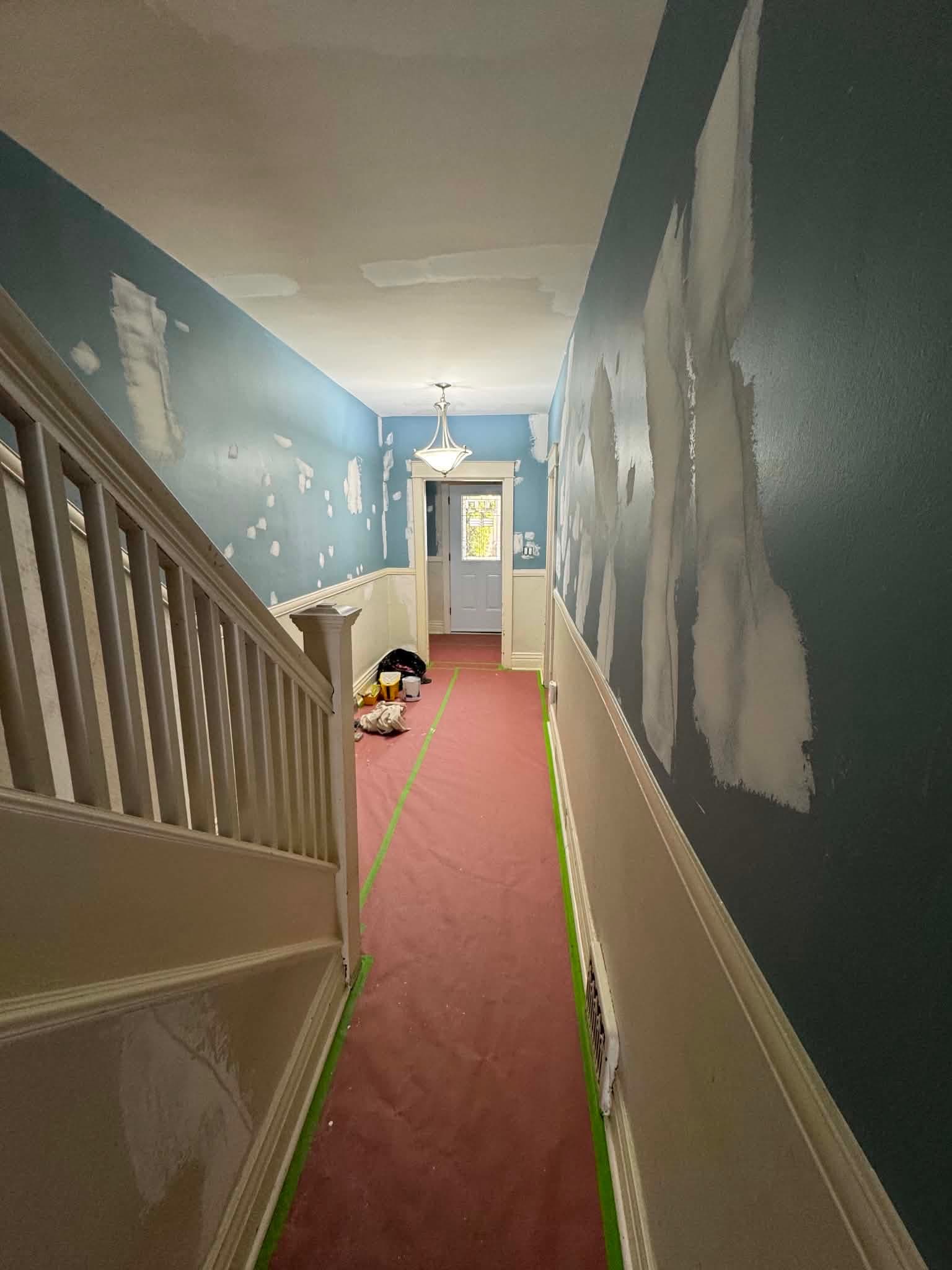
As discussed in a previous article, older Toronto-area homes (pre-1980) often require special attention. This is even more so in the winter months. Many Victorian and Edwardian homes throughout the Annex, Riverdale, and Cabbagetown were built with plaster-over-lath rather than drywall. The lath framing behind the plaster creates channels where cold air can circulate between studs — exactly what caused the running paint in the Etobicoke story above, and why that type of repair is harder to diagnose in advance. They may also have lead-based paint under existing layers, particularly on trim/doors/window frames — relevant for prep work that involves sanding.
Window glazing putty used on original wood-sash windows is a related-but-distinct issue: drafts and temperature differential at the glazing line can create the same localized cold/condensation problem as the plaster cold-spot issue mentioned earlier.
With proper prep, paint on older surfaces generally lasts 7–10 years; with poor prep it can fail in 1–2 years.
Your Winter Checklist
Whether you’re doing your project yourself, or hiring an experienced team, here are some things to ensure happen:
- Room temps:Confirm a sustained temperature (ideally above ~18–21°C / 65–70°F) for the full dry/cure window, not just during application. This includes overnight, since heat is often lowered at night in winter. This could mean raising your thermostat slightly for a couple of days (including post painting curing). Or ensuring some strong painter lights are left on for at least a day.
- Flag drafts:Storm windows, exterior doors near the work area, exhaust fans — anything pulling cold air across a wall in progress — can be an issue. These can be covered with a sheet of plastic, or offset through increasing the room temperature slightly.
- Humidity awareness: Very dry forced-air heat can actually help drying, but a recently-showered bathroom or running humidifier nearby can reintroduce the same condensation risk as cold.
- Ventilation balance:Ensure enough airflow to let moisture escape without creating the draft/cold-spot problem — fans aimed across the room, not heaters/fans aimed directly at wet film.
- Realistic scheduling buffer:If you’re not confident about sustained temperatures at target levels, especially in older/plaster homes, plan for at least 24-48 hours between repairs and paint coats.
- Vacant or unoccupied homes: If no one is living in the space during or after painting, make sure whoever manages the property knows not to dial back the thermostat mid-job or overnight. This is one of the more common oversights on renovation projects and it can undo an otherwise good paint job.
- Crew experience flag: Choose a crew with a track record on plaster/older-home substrates for pre-1980 GTA housing stock specifically. We specifically track this in our network of painting teams.
Want a price on your own place?
Two minutes in the configurator. No walk-through, no phone tag, no “we’ll get back to you Tuesday.” Just a real Toronto number.